
Introduction to Various Types of Sports Flooring and Their Applications
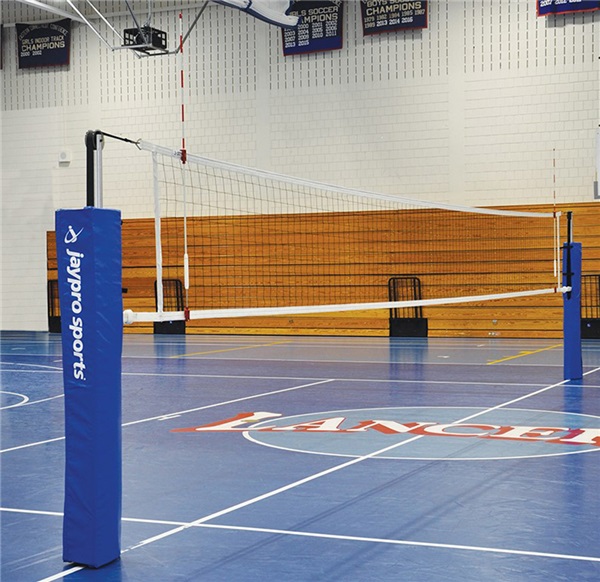
Sports flooring is a critical component in the design and functionality of athletic facilities. The right type of flooring can enhance performance, reduce the risk of injury, and provide a durable surface that can withstand the rigors of intense physical activity. There are several types of sports flooring, each tailored to specific sports and activities. This article will explore the different types of sports flooring, their unique characteristics, and their ideal applications.
**1. Hardwood Flooring**
Hardwood flooring is one of the most traditional and widely used types of sports flooring, particularly in indoor sports such as basketball, volleyball, and badminton. Made from high-quality maple or oak, hardwood floors are known for their durability, shock absorption, and consistent bounce characteristics. The surface is typically finished with a protective coating to enhance grip and reduce slipping.
*Application:* Hardwood flooring is predominantly used in professional basketball courts, gymnasiums, and indoor sports arenas. Its ability to provide a consistent playing surface makes it ideal for high-impact sports that require quick lateral movements and jumping.
**2. Synthetic Flooring**
Synthetic flooring, including materials like polyvinyl chloride (PVC) and polyurethane (PU), has gained popularity due to its versatility and cost-effectiveness. Synthetic floors can mimic the performance characteristics of hardwood while offering additional benefits such as water resistance and easier maintenance. They are available in various forms, including tiles, rolls, and interlocking panels.
*Application:* Synthetic flooring is commonly used in multi-purpose sports halls, fitness centers, and indoor tennis courts. Its durability and resistance to moisture make it suitable for environments where the floor may be exposed to spills or high humidity.
**3. Rubber Flooring**

Rubber flooring is renowned for its excellent shock absorption and cushioning properties, making it a preferred choice for high-impact activities. It is available in both rolled and tile formats and can be made from natural or synthetic rubber. Rubber floors are also slip-resistant and provide good traction, which is essential for safety during intense physical activities.
*Application:* Rubber flooring is widely used in weight rooms, CrossFit gyms, and areas designated for aerobic exercises. Its ability to absorb impact makes it ideal for protecting athletes from joint stress and reducing the risk of injury during heavy lifting or high-intensity workouts.
**4. Artificial Turf**
Artificial turf is a synthetic surface designed to replicate the look and feel of natural grass. It is made from synthetic fibers, typically polyethylene or polypropylene, and is often used in outdoor sports facilities. Modern artificial turf systems include an infill layer, usually made of rubber or sand, to provide cushioning and stability.
*Application:* Artificial turf is commonly used in football (soccer), rugby, and field hockey fields. It is also popular in training facilities and recreational areas where natural grass may be difficult to maintain. The surface provides a consistent playing field and can withstand heavy use in various weather conditions.
**5. Vinyl Flooring**
Vinyl flooring is a versatile and cost-effective option for sports facilities. It is available in sheets or tiles and can be designed to mimic the appearance of other materials, such as wood or stone. Vinyl floors are known for their durability, ease of maintenance, and resistance to moisture and stains.
*Application:* Vinyl flooring is often used in dance studios, yoga rooms, and indoor sports courts. Its smooth surface and slight cushioning make it suitable for activities that require fluid movements and minimal impact on joints.
**6. Tartan Flooring**
Tartan flooring, also known as all-weather running tracks, is a specialized type of synthetic surface designed for track and field events. It is made from a combination of rubber and polyurethane, providing excellent traction, shock absorption, and durability. Tartan surfaces are designed to withstand outdoor elements and provide a consistent running surface.
*Application:* Tartan flooring is exclusively used in outdoor track and field facilities. It is the standard surface for professional running tracks, providing athletes with a reliable and high-performance surface for sprinting, long-distance running, and other track events.
**7. Modular Sports Flooring**
Modular sports flooring consists of interlocking tiles made from high-density polyethylene (HDPE) or polypropylene. These tiles are designed to be easy to install, replace, and maintain. Modular flooring systems often include a shock-absorbing layer to enhance comfort and reduce the risk of injury.
*Application:* Modular sports flooring is ideal for multi-sport facilities, outdoor courts, and temporary sports events. Its modular nature allows for quick assembly and disassembly, making it a flexible option for venues that host a variety of activities.
**Conclusion**
Choosing the right type of sports flooring is essential for creating a safe and effective environment for athletes. Each type of flooring has its unique properties and is suited to specific sports and activities. Whether it’s the traditional elegance of hardwood, the durability of synthetic materials, or the shock absorption of rubber, the right flooring can significantly impact the performance and safety of athletes. By understanding the characteristics and applications of different sports flooring options, facility managers and designers can make informed decisions that enhance the overall experience for users.
Nitrile Sand PVC Sports Floor: A Revolutionary New Product for Sports Spaces
How to Choose Sports Wood Flooring
Related Article
