Properties, Applications, and Advantages of Rubber Floor
2025-03-19
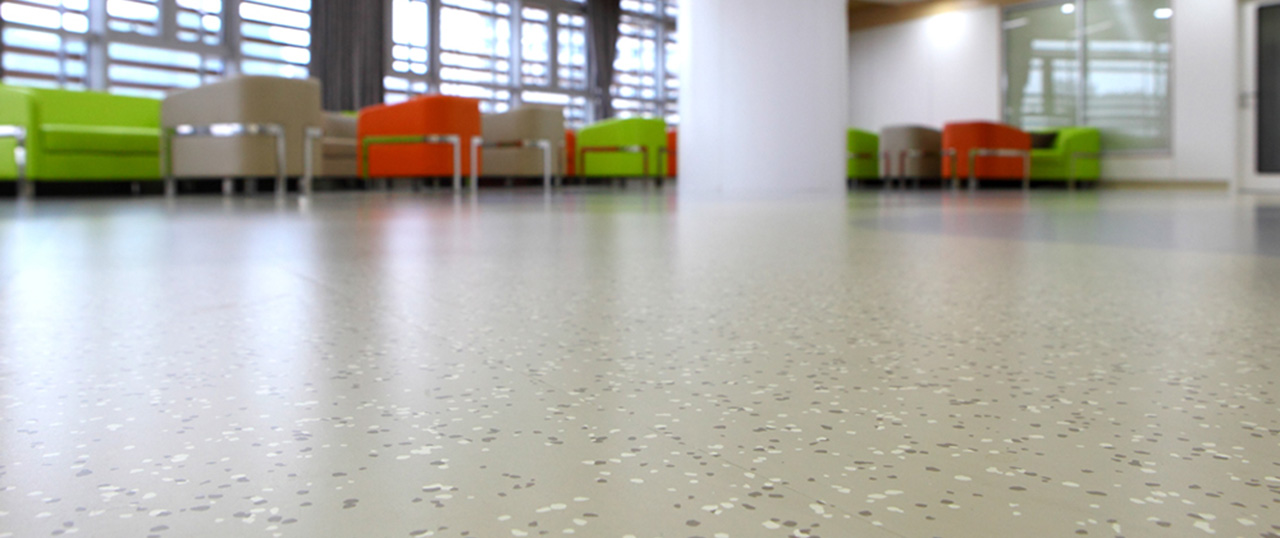
Rubber flooring is a versatile and durable flooring solution that has gained popularity in both commercial and residential settings due to its unique combination of functionality, comfort, and sustainability. Derived from natural rubber latex or synthetic rubber compounds, this flooring option offers a wide range of benefits, making it suitable for various applications. This article explores the key features, manufacturing processes, and common use cases of rubber flooring.
Properties of Rubber Flooring
1. Durability: Rubber flooring is highly resistant to wear, impact, and heavy foot traffic. It can withstand extreme temperatures, making it suitable for both indoor and outdoor environments.
2. Slip Resistance: The textured surface of rubber flooring provides excellent traction, reducing the risk of slips and falls, especially in wet areas like kitchens, bathrooms, or swimming pools.
3. Cushioning and Comfort: Rubber’s elasticity offers a comfortable underfoot feel, reducing strain on joints and muscles. This makes it ideal for spaces where people stand for long periods, such as offices or retail stores.
4. Noise Reduction: Rubber flooring absorbs sound, making it effective in minimizing noise transmission between rooms or floors.
5. Chemical Resistance: It resists damage from oils, solvents, and other chemicals, making it suitable for industrial and healthcare settings.
6. Sustainability: Many rubber flooring products are eco-friendly, using recycled materials or natural rubber from rubber trees. They are also recyclable at the end of their lifecycle.
Manufacturing Processes
Rubber flooring is typically produced through two main methods:
1. Extrusion: Natural or synthetic rubber is melted and forced through a die to create continuous sheets or tiles.
2. Calendering: Rubber compounds are rolled into thin sheets, which are then cut into tiles or rolled into mats.
Additives like pigments, fillers, and antioxidants are often incorporated during manufacturing to enhance color, texture, and longevity.
Types of Rubber Flooring
1. Natural Rubber Flooring: Made from latex extracted from rubber trees, it is biodegradable and hypoallergenic. However, it may require more maintenance to prevent mold growth in humid climates.
2. Synthetic Rubber Flooring: Commonly made from materials like ethylene propylene diene monomer (EPDM) or polyvinyl chloride (PVC), synthetic rubber flooring is highly durable and resistant to UV rays, making it suitable for outdoor use.

Applications of Rubber Flooring
1. Commercial Spaces
- Retail Stores: Rubber flooring withstands heavy foot traffic and provides a comfortable shopping experience.
- Healthcare Facilities: Its antibacterial properties and ease of cleaning make it ideal for hospitals, clinics, and laboratories.
- Gyms and Sports Centers: Rubber tiles or mats offer shock absorption, protecting athletes from injuries during high-impact activities.
- Educational Institutions: The noise-reducing and slip-resistant features are perfect for classrooms, cafeterias, and playgrounds.
2. Residential Use
- Basements and Garages: Rubber flooring resists moisture and provides insulation against cold concrete floors.
- Playrooms: Soft and safe for children, it can be customized with colorful designs.
- Home Gyms: Offers cushioning for workouts and protects floors from equipment damage.
- Basements and Garages: Rubber flooring resists moisture and provides insulation against cold concrete floors.
- Playrooms: Soft and safe for children, it can be customized with colorful designs.
- Home Gyms: Offers cushioning for workouts and protects floors from equipment damage.
3. Industrial Settings
- Factories and Warehouses: Rubber flooring resists chemicals, oils, and heavy machinery, ensuring long-term performance.
- Vehicle Showrooms: Its sleek appearance and stain resistance make it suitable for displaying cars.
- Factories and Warehouses: Rubber flooring resists chemicals, oils, and heavy machinery, ensuring long-term performance.
- Vehicle Showrooms: Its sleek appearance and stain resistance make it suitable for displaying cars.
4. Outdoor Applications
- Patios and Decks: Synthetic rubber tiles withstand UV rays and rain, preventing cracks and fading.
- Pool Areas: Slip-resistant rubber mats enhance safety around water.
- Patios and Decks: Synthetic rubber tiles withstand UV rays and rain, preventing cracks and fading.
- Pool Areas: Slip-resistant rubber mats enhance safety around water.
Installation and Maintenance
Rubber flooring can be installed as tiles, rolls, or interlocking mats. Professional installation is recommended for seamless results, especially in large areas. Maintenance involves regular sweeping or vacuuming and occasional mopping with mild detergents. Avoid harsh chemicals to preserve its finish.
Conclusion
Rubber flooring’s blend of durability, safety, and sustainability makes it a top choice for modern flooring needs. Whether in commercial, residential, or industrial spaces, its versatility and performance continue to drive its popularity. As eco-friendly practices gain traction, rubber flooring is likely to remain a preferred option for years to come.
Some Disadvantages About Rubber Flooring
PERFORMANCE & CHARACTER OF RUBBER FLOORING
Related Article

Rubber flooring, heavy-duty rubber flooring, shock absorbing rubber flooring, noise reduction rubber flooring, anti-slip rubber flooring, gym rubber flooring, medical rubber flooring, industrial rubber flooring, high-traffic rubber flooring
Heavy-Duty Rubber Flooring – Shock Absorbing Noise Reduction Anti-Slip Rubber Flooring for Industrial, Gym, Medical and High-Traffic Public Facilities
Rubber flooring, heavy-duty rubber flooring, shock absorbing rubber flooring, anti-slip rubber flooring, noise reduction rubber flooring, industrial rubber flooring, gym rubber flooring, medical rubber flooring
Heavy-Duty Rubber Flooring – Shock Absorbing Anti-Slip Noise Reduction Rubber Flooring for Gym, Industrial, Medical and Public Facilities
Medical rubber flooring, hospital rubber flooring, anti-bacterial rubber flooring, anti-slip medical flooring, noise reduction rubber flooring, hygienic rubber flooring, medical facility flooring
Medical-Grade Rubber Flooring – Anti-Bacterial Anti-Slip Noise Reduction Rubber Flooring for Hospital Wards, Clinics and Medical Public Areas
Rubber flooring, heavy-duty rubber flooring, shock absorbing rubber flooring, noise reduction rubber flooring, anti-slip rubber floor mats, gym rubber flooring, industrial rubber flooring, staircase rubber flooring
Heavy-Duty Rubber Flooring – Shock Absorbing, Noise Reduction & Anti-Slip Rubber Floor Mats for Gyms, Industrial Plants, Staircases and Public Facilities