How to Choose Vinyl Plank Flooring
2025-06-06
Selecting vinyl plank flooring involves considering multiple factors to ensure it meets your aesthetic preferences, functional needs, and budget. Here's a comprehensive guide to help you make the right choice:
1. Understand the Types of Vinyl Plank Flooring
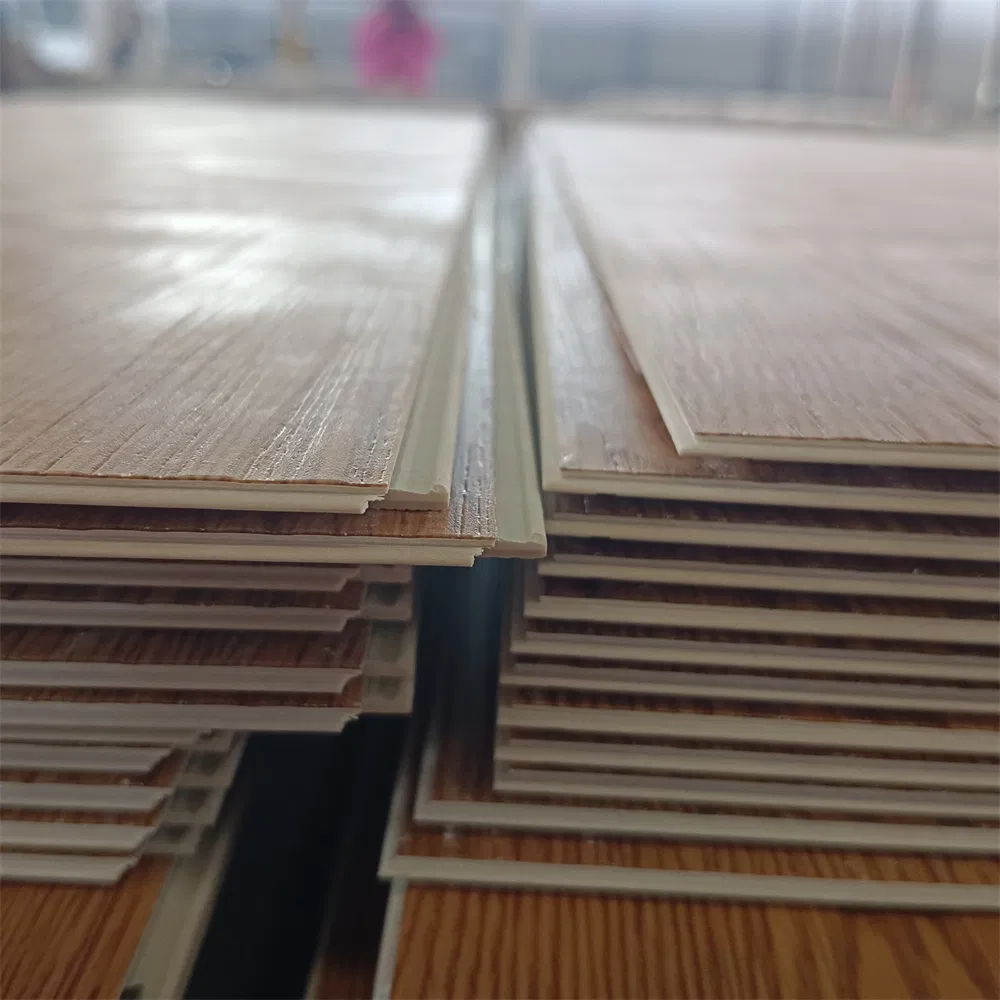
- Luxury Vinyl Plank (LVP): This is the most popular type. It offers high - quality visuals that can mimic the look of real wood, stone, or tile. LVP usually consists of multiple layers, including a wear layer, a printed design layer, a core layer, and a backing layer. It is durable, water - resistant, and comes in various thicknesses and sizes.
- Vinyl Composite Tile (VCT): While not exactly in plank form, VCT is a more budget - friendly option. It is made from a combination of vinyl and other materials. VCT is often used in commercial settings but can also be suitable for some residential areas. However, it has a more basic appearance compared to LVP and may not be as resistant to scratches and moisture.
2. Evaluate the Wear Layer
- Thickness: The wear layer is crucial for the durability of the vinyl plank flooring. For residential use, a wear layer of 6 - 20 mils is common. A thicker wear layer (12 - 20 mils) is more suitable for high - traffic areas or households with pets and children, as it offers better protection against scratches, scuffs, and stains. For low - traffic areas like a guest bedroom, a 6 - 8 mil wear layer may be sufficient.
- Quality: Look for a wear layer with a high - quality finish. A good wear layer should be transparent, free of bubbles and imperfections, and have a smooth surface. Some wear layers also come with additional features such as anti - microbial protection or enhanced UV resistance, which can be beneficial in certain environments.
3. Consider the Core Layer
- Material: The core layer provides stability and support to the vinyl plank. There are different types of core materials, including rigid core (such as stone - plastic composite - SPC or wood - plastic composite - WPC). SPC has a dense, rigid structure made from a mixture of limestone powder and PVC, making it highly resistant to dents, warping, and moisture. WPC contains wood fibers and grey pvc flooring, offering a more natural feel and some degree of flexibility. Traditional vinyl planks may have a foam or felt core, which is less rigid but can provide better sound insulation.
- Thickness: Thicker core layers generally offer better stability and a more solid feel underfoot. A thickness of 4 - 8 mm is common for vinyl plank flooring. Thicker planks are also less likely to show subfloor imperfections.
4. Examine the Design and Aesthetics
- Appearance: Vinyl plank flooring is available in a wide range of colors, patterns, and textures. Consider the overall style of your home and the room where the flooring will be installed. If you prefer a traditional look, choose planks that mimic the appearance of oak or walnut. For a modern or contemporary space, lighter - colored or gray - toned planks with a sleek finish may be more appropriate. Some vinyl planks also have embossed textures that replicate the look and feel of real wood grain or stone, adding to the realism.
- Plank Size: Vinyl planks come in various lengths and widths. Longer and wider planks can create a more spacious and seamless look, but they may be more challenging to install. Standard plank sizes range from 3 - 7 inches in width and 36 - 72 inches in length. Smaller planks can be a better option for rooms with irregular shapes or for DIY installers who may find them easier to handle.
5. Check the Installation Method
- Click - Lock: This is one of the most popular installation methods for vinyl plank flooring. Click - lock systems allow the planks to be easily snapped together without the need for adhesive, making it a relatively DIY - friendly option. It also allows for easy removal and replacement of individual planks if needed.
- Glue - Down: Glue - down installation requires applying adhesive to the subfloor and then pressing the vinyl planks into place. This method provides a very secure installation, especially in areas with high humidity or temperature fluctuations. However, it is more time - consuming and messy, and it can be difficult to remove the flooring if it needs to be replaced.
- Loose - Lay: Some vinyl planks can be installed as a loose - lay option, where they are simply laid on top of the subfloor without any adhesive or locking mechanism. This is the easiest installation method but may not be as stable as the other two methods, especially in high - traffic areas.
6. Test for Durability and Performance
- Scratch and Dent Resistance: Before purchasing, test the vinyl plank's resistance to scratches and dents. Use a key or a similar object to gently scratch the surface of the sample plank. A high - quality vinyl plank should not show significant scratches. To test for dent resistance, press down on the plank with a hard object. It should bounce back without leaving a permanent indentation.
- Water Resistance: Since vinyl is a water - resistant material, most vinyl plank flooring is suitable for areas prone to moisture, such as kitchens, bathrooms, and laundry rooms. However, check the product specifications to ensure it has the appropriate level of water resistance for your intended use. Some vinyl planks are even rated as waterproof, which means they can withstand prolonged exposure to water without damage.
- Noise Reduction: If noise is a concern, especially in multi - story homes or apartments, look for vinyl plank flooring that offers good sound insulation. Some planks have an attached underlayment or a built - in acoustic layer to reduce footfall noise and sound transmission between floors.
7. Set a Budget
- Cost Range: Vinyl plank flooring can vary widely in price, depending on factors such as quality, brand, type, and installation method. On average, you can expect to pay anywhere from $2 - $10 per square foot for the flooring material alone. Luxury vinyl plank with high - end features and a realistic appearance will be at the higher end of the price range, while more basic vinyl options will be more affordable. Don't forget to factor in the cost of installation, underlayment, and any additional accessories when budgeting for your flooring project.
- Value for Money: While it may be tempting to choose the cheapest option, consider the long - term value. A slightly more expensive vinyl plank with a thicker wear layer and better durability may save you money in the long run by lasting longer and requiring less maintenance.
8. Research Brands and Read Reviews
- Reputable Brands: Look for well - known and reputable brands in the vinyl flooring industry. Brands with a good track record are more likely to offer high - quality products, reliable warranties, and good customer support. Some popular vinyl plank flooring brands include Shaw, Mohawk, Armstrong, and TrafficMaster.
- Customer Reviews: Read online customer reviews and ratings for the specific vinyl plank flooring products you are considering. Real - life experiences from other homeowners can provide valuable insights into the product's performance, ease of installation, and any potential issues or drawbacks.
By carefully considering these factors, you can choose the vinyl plank flooring that best suits your needs and enhances the beauty and functionality of your home.
SPC Click Flooring: Daily Maintenance & Replacement Guide
Production Process of SPC Floor
Related Article

SPC flooring, rigid vinyl SPC flooring, click-lock SPC flooring, waterproof SPC flooring, formaldehyde-free SPC flooring, residential SPC flooring, commercial SPC flooring, stone plastic composite flooring, scratch resistant SPC flooring
Waterproof Click-Lock SPC Flooring – Formaldehyde-Free Rigid Vinyl SPC Flooring for Residential Renovation and Commercial Engineering Projects
SPC flooring, rigid vinyl SPC flooring, click-lock SPC flooring, waterproof SPC flooring, zero-formaldehyde SPC flooring, scratch resistant SPC flooring, residential SPC flooring, commercial SPC flooring
2026 Trendy SPC Flooring – Zero-Formaldehyde Waterproof Click-Lock Rigid Vinyl SPC Flooring for Residential Renovation and Commercial Engineering Projects
SPC Flooring, Rigid Vinyl SPC Flooring, Click-Lock SPC Flooring, Waterproof SPC Flooring, Formaldehyde-Free SPC Flooring, Scratch Resistant SPC Flooring, Residential SPC Flooring, Commercial SPC Flooring
Durable Click-Lock SPC Flooring – Formaldehyde-Free Waterproof Rigid Vinyl Flooring for Modern Residential and Commercial Renovation
SPC flooring, rigid SPC vinyl flooring, click-lock SPC flooring, waterproof SPC flooring, scratch resistant SPC flooring, formaldehyde-free SPC floor, residential SPC flooring, commercial SPC flooring
Stable Click-Lock SPC Flooring – Waterproof, Scratch Resistant & Formaldehyde-Free Rigid Vinyl SPC Flooring for Residential and Commercial Decoration