How to Choose High-Quality LVT Flooring: A Complete Guide for Homeowners
2026-04-20
LVT flooring has become one of the most popular flooring choices for homeowners in recent years. It offers an unbeatable combination of versatility, affordability, and low maintenance, making it ideal for every room in the house—from high-traffic living rooms to moisture-prone bathrooms and basements. However, not all vinyl flooring is created equal, and navigating the market to find high-quality options can be overwhelming. The difference between a cheap vinyl floor that fades, warps, or scratches within a few years and a premium one that lasts decades lies in key features and construction. In this comprehensive guide, we'll break down the essential characteristics of high-quality vinyl flooring, explain how to assess its quality before buying, and help you make an informed decision that enhances your home's beauty and durability.
Understanding LVT Flooring: Types and Construction
Before diving into quality assessment, it's crucial to understand the basics of LVT flooring, including its types and manufacturing process—knowledge that will help you spot superior products. LVT Vinyl flooring is a synthetic flooring material made primarily from polyvinyl chloride (PVC), combined with other additives to enhance durability, flexibility, and appearance. The most common types of vinyl flooring for residential use are Luxury Vinyl Plank (LVP) and Luxury Vinyl Tile (LVT), both of which are part of the luxury vinyl category that mimics natural materials like hardwood, stone, or ceramic tile.
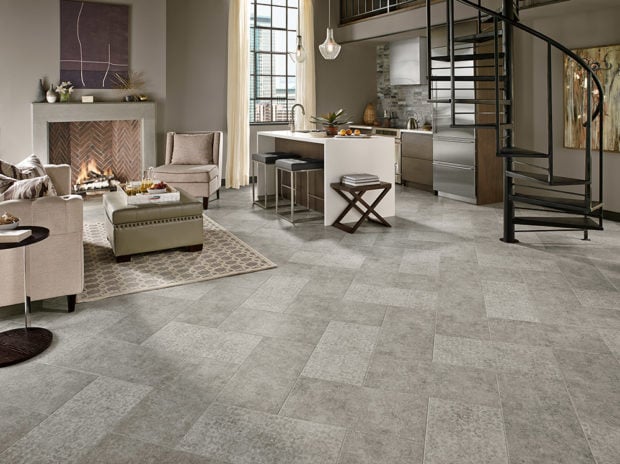
LVP is designed to resemble hardwood planks, with longer, narrower dimensions that create a seamless, natural wood look, making it perfect for living rooms, bedrooms, and hallways. LVT, on the other hand, comes in tile-shaped pieces that mimic ceramic or stone, ideal for kitchens, bathrooms, and entryways where a tiled aesthetic is desired. High-quality vinyl flooring features a multi-layer construction: a protective wear layer on top, a realistic design layer, a stable core (often waterproof), and a backing layer for comfort and installation ease. Understanding this layered structure is key to identifying quality, as each layer plays a critical role in the floor's performance.
Key Features of High-Quality LVT Flooring
When shopping for LVT vinyl flooring, focus on these four core features—they are the markers of a high-quality product that will stand the test of time.
1. Durability: Built to Withstand Daily Wear
Durability is the most important factor for any flooring, and vinyl is no exception. High-quality LVT flooring is resistant to scratches, dents, stains, and daily foot traffic, making it suitable for busy households with kids and pets. The primary determinant of durability is the wear layer—the transparent, protective top layer that shields the design underneath. Measured in mils (1 mil = 0.001 inches), the wear layer's thickness directly impacts the floor's lifespan.
For residential use, a wear layer of 12–20 mils is ideal for moderate-traffic areas like living rooms and kitchens, while high-traffic spaces (entryways, hallways) or commercial use require 20 mils or more. Cheaper vinyl floors often have a wear layer of 6–8 mils, which will scratch and fade quickly with regular use. Additionally, high-quality vinyl includes a UV-cured urethane coating on the wear layer, which enhances durability and makes cleaning easier by repelling stains and spills.
2. Authenticity: Realistic Design and Texture
One of the biggest draws of LVT flooring is its ability to mimic natural materials like hardwood, stone, or tile—without the high cost or maintenance. High-quality vinyl stands out with its realistic designs and textures that are nearly indistinguishable from the real thing. Advanced printing and embossing techniques create detailed grain patterns for wood-look vinyl and natural stone textures for tile-look options, adding depth and tactile appeal.
Avoid vinyl floors with blurry, unrealistic patterns or flat textures—these are signs of low quality. Premium vinyl will have consistent coloration, no visible repetition in patterns, and a texture that feels natural underfoot (e.g., the rough grain of oak or the cool, smooth surface of marble). This authenticity not only enhances your home's aesthetic but also adds value by creating a high-end look at a fraction of the cost of natural materials.
3. Water Resistance: Protection Against Moisture
Water resistance is another non-negotiable feature of high-quality vinyl, especially for rooms prone to spills or humidity (kitchens, bathrooms, basements, laundry rooms). Unlike hardwood or laminate, which can warp or rot when exposed to moisture, premium vinyl flooring has a waterproof core made from materials like SPC (Stone Plastic Composite) or WPC (Wood Plastic Composite).
SPC cores are dense and rigid, offering superior dent resistance and waterproofing, while WPC cores are softer and more cushioned, providing added comfort underfoot. High-quality vinyl will not absorb water, even when exposed to standing spills or moisture, and will not deform, warp, or develop mold over time. Be wary of “water-resistant” (not waterproof) vinyl floors, as they may allow moisture to seep through seams, leading to damage over time.
4. Ease of Installation: Suitable for DIY and Professionals
High-quality LVT flooring is designed for easy installation, making it accessible to DIY enthusiasts while still being compatible with professional installation. Most premium LVP and LVT options feature a click-lock system, which allows planks or tiles to snap together without the need for glue, reducing installation time and effort. This floating floor system also works well with most subfloor types, including concrete, plywood, and existing flooring (as long as the subfloor is clean, level, and dry).
Additionally, high-quality vinyl is flexible enough to adapt to minor subfloor imperfections, while still maintaining a seamless finish. Cheaper vinyl may be brittle or difficult to snap together, leading to gaps or uneven installation. Look for products with clear installation instructions and compatibility with underlayment (for added comfort and sound absorption) if needed.
How to Inspect LVT Flooring for Quality Before Buying
Even if a LVT floor claims to have the above features, it's important to inspect it in person (or request samples) to verify quality. Here are practical methods to assess LVT flooring before making a purchase:
1. Visual Inspection
Start with a close visual inspection of the flooring sample. Look for surface defects like scratches, bubbles, or uneven edges—these are signs of poor manufacturing. Check the design for clarity and consistency: realistic patterns should have no blurriness, and color should be even across the plank or tile. Also, examine the edges: high-quality vinyl will have clean, precise cuts that fit together tightly without gaps.
2. Physical Examination
Perform a simple physical test to assess flexibility and durability. Gently bend the plank or tile—high-quality vinyl will be flexible but not brittle, and it should spring back to its original shape without cracking. Use a key or coin to lightly scratch the surface: a premium wear layer will resist scratches, while a cheap one will show visible damage. You can also press down on the surface to check for dents; high-quality vinyl should recover quickly without leaving a mark.
3. Water Resistance Test
To test water resistance, place a small amount of water on the sample (and along the edges, where moisture often seeps in) and let it sit for 1–2 hours. High-quality waterproof vinyl will show no signs of water absorption, warping, or discoloration. If the sample becomes soft, discolored, or starts to peel, it's not waterproof and likely low quality.
4. Check Brand Reputation and Reviews
A brand's reputation is a strong indicator of quality. Research reputable LVT flooring brands (look for those with positive customer reviews and industry certifications) and read feedback from homeowners who have installed the product. Pay attention to reviews about durability, water resistance, and installation ease. Additionally, look for industry certifications like FloorScore or Greenguard Gold, which confirm the product is low in VOC emissions and safe for indoor air quality. A solid warranty (5–25 years, depending on the product) is also a sign of quality, as it shows the manufacturer stands behind their flooring.
Conclusion
Investing in high-quality LVT flooring is a smart choice for homeowners seeking a durable, beautiful, and cost-effective flooring solution. By focusing on key features—durability (via a thick wear layer), authenticity (realistic design and texture), water resistance (a waterproof core), and ease of installation—you can narrow down your options and avoid the pitfalls of low-quality vinyl. Taking the time to inspect samples, research brands, and read reviews will ensure you choose a floor that enhances your home's aesthetic, withstands daily wear, and provides long-term value.
Whether you're renovating a single room or your entire home, remember that high-quality LVT flooring is an investment in your space's comfort and longevity. By following this guide, you can make a confident decision that meets your needs, budget, and style—for years to come.
High-End Durability Meets Modern Style – Choose LVT Flooring to Transform Your Home
Maintenance and Replacement of LVT Flooring: A Comprehensive Guide
Related Article

LVT flooring, luxury vinyl tile flooring, flexible LVT flooring, premium LVT flooring, waterproof LVT flooring, anti-slip LVT flooring, residential LVT flooring, commercial LVT flooring, decorative vinyl flooring
Premium Flexible LVT Flooring – Stylish Waterproof Anti-Slip Luxury Vinyl Tile Flooring for High-End Residential and Commercial Interior Design
LVT flooring, Luxury Vinyl Tile flooring, flexible LVT flooring, waterproof LVT flooring, anti‑slip LVT flooring, wear‑resistant LVT flooring, residential LVT flooring, commercial LVT flooring, glue‑down LVT flooring
Premium Flexible LVT Flooring – Stylish Waterproof Anti‑Slip Luxury Vinyl Tile Flooring for High‑End Residential and Commercial Interior Design
LVT flooring, Luxury Vinyl Tile flooring, flexible LVT flooring, waterproof LVT flooring, anti-slip LVT flooring, residential LVT flooring, commercial LVT flooring, decorative vinyl flooring
Premium LVT Flooring – Flexible Waterproof Anti-Slip Luxury Vinyl Tile Flooring for Residential Interior and Commercial Space Decoration
LVT flooring, Luxury Vinyl Tile flooring, flexible LVT flooring, waterproof LVT flooring, anti-slip LVT flooring, residential LVT flooring, commercial LVT flooring, stylish vinyl tile flooring
Premium LVT Flooring – Flexible Waterproof Anti-Slip Luxury Vinyl Tile Flooring for Residential Interior and Commercial Space Decoration