
Pros & Cons of Using Rubber Flooring for Garage Spaces
2026-05-13
A garage is more than just a parking space for most homeowners. It serves as a workshop for DIY repairs, a storage zone for daily supplies, a casual home gym, and even a safe play area for kids. Choosing the right garage flooring is essential to protect the concrete base, enhance space usability, and boost overall aesthetics. Among popular flooring options such as concrete sealers, epoxy coating, and vinyl planks, rubber floor for garage has grown rapidly in popularity. Widely used in high-traffic locations like gyms, schools, and medical facilities, rubber flooring features unique functional traits. Before installation, it is vital to learn the key pros and cons of rubber garage flooring to make a budget-friendly and practical decision.
Two Common Types of Rubber Garage Flooring
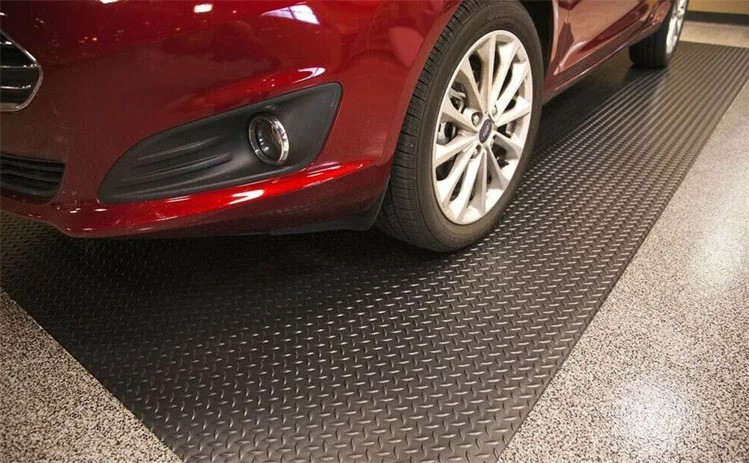
When shopping for garage rubber flooring, homeowners mainly choose between interlocking tiles and large rubber rolls. Each type fits different garage sizes and usage needs. Interlocking rubber tiles are perfect for small and medium-sized garages. Featuring easy snap-together borders, they require no complicated tools for installation.
Key Pros of Installing Rubber Flooring in Garages
1. Excellent Durability for Heavy-Duty Use
Durability stands out as the biggest advantage of rubber garage flooring. Made of sturdy elastic materials, it resists deformation under heavy vehicle weight, gym equipment, and frequent foot traffic. Unlike fragile concrete that cracks easily, high-quality rubber flooring withstands daily abrasion, scratches, and mechanical impacts. With proper maintenance, it can last for many years, making it a cost-effective long-term flooring solution.
2. Enhanced Comfort and Reduced Fatigue
Traditional hard concrete floors make long-time standing extremely tiring. Rubber flooring changes this situation with its soft elastic surface. Whether you are repairing cars, assembling tools, or working out in the garage gym, the cushioned surface effectively eases foot and joint pressure. It greatly reduces physical fatigue during hours of prolonged standing.
3. Superior Noise Reduction and Slip Resistance
Rubber is a natural sound-absorbing material. It minimizes noise transmission caused by power tools, moving vehicles, and falling hard objects, lowering disturbance to neighboring rooms. Besides, its high-traction textured surface delivers outstanding anti-slip performance. Even with water or dust on the floor, it prevents slips and falls, ensuring safety for kids, pets, and workers in the garage.
4. Easy Maintenance and Eco-Friendly Material
Busy homeowners favor rubber flooring for its low-maintenance features. Daily cleaning only requires regular vacuuming to remove dust and debris. Occasional mopping with mild detergent is enough to keep the floor spotless. No complex polishing or sealing work is needed. Moreover, most rubber floors are made of natural rubber tree sap. The sustainable raw materials cause minimal environmental harm, meeting the demand for eco-friendly home renovation.
Major Cons of Rubber Garage Flooring
1. High Upfront and Shipping Costs
Compared with affordable vinyl and concrete sealers, rubber flooring has a higher initial purchase cost. Its dense material leads to heavy weight, which further increases transportation and delivery fees. For homeowners on a tight budget, the upfront investment may seem unaffordable. Still, its long service life can offset the high cost in the long run.
2. Poor Resistance to Automotive Fluids and Solvents
This is one fatal flaw of rubber garage flooring. Rubber is chemically incompatible with car engine oil, brake fluid, and some industrial solvents. These automotive liquids can corrode the rubber surface, causing discoloration, swelling, and permanent damage. Additionally, harsh chemical cleaners will also degrade the floor texture over time.
3. Vulnerability to Sharp Objects and Limited Styles
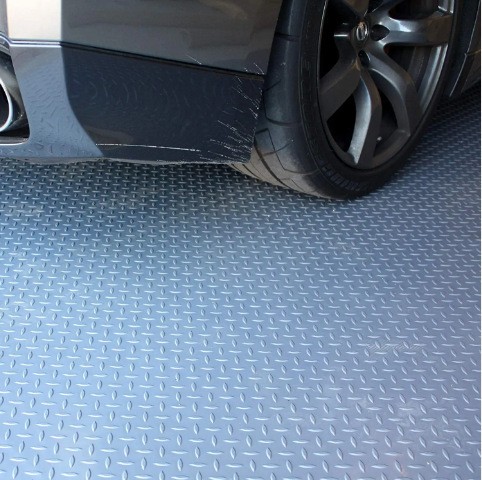
Despite its sturdiness against heavy pressure, rubber flooring is prone to cuts and punctures from sharp items such as high heels, sharp metal tools, and pointed furniture legs. Furthermore, it lacks diverse aesthetic options. Compared with epoxy and vinyl floors with rich colors and patterns, rubber floors have monotonous designs, failing to satisfy homeowners pursuing personalized garage decoration.
4. Challenging DIY Installation
Installation is another drawback. Heavy rubber rolls are hard to carry and flatten alone, requiring extra labor for installation. Although interlocking tiles are easier to assemble, covering a large garage area takes plenty of time and patience. Inexperienced DIYers may struggle with uneven laying and messy seams.
Final Verdict
Rubber garage flooring is ideal for homeowners who prioritize durability, comfort, sound insulation, and safety. It works perfectly for home gym garages and daily workshop spaces. However, it is not the best choice for garages frequently exposed to automobile oil or those requiring stylish decorative floors. By weighing these clear pros and cons, you can determine whether rubber flooring matches your garage usage habits and renovation budget.
Rubber Flooring Rolls: Complete Buying Guide
Interlocking Rubber Tiles: Ideal Flooring for Home Gyms
Related Article

Rubber flooring, heavy-duty rubber flooring, shock absorbing rubber flooring, noise reduction rubber flooring, anti-slip rubber flooring, gym rubber flooring, medical rubber flooring, industrial rubber flooring, high-traffic rubber flooring
Heavy-Duty Rubber Flooring – Shock Absorbing Noise Reduction Anti-Slip Rubber Flooring for Industrial, Gym, Medical and High-Traffic Public Facilities
Rubber flooring, heavy-duty rubber flooring, shock absorbing rubber flooring, anti-slip rubber flooring, noise reduction rubber flooring, industrial rubber flooring, gym rubber flooring, medical rubber flooring
Heavy-Duty Rubber Flooring – Shock Absorbing Anti-Slip Noise Reduction Rubber Flooring for Gym, Industrial, Medical and Public Facilities
Medical rubber flooring, hospital rubber flooring, anti-bacterial rubber flooring, anti-slip medical flooring, noise reduction rubber flooring, hygienic rubber flooring, medical facility flooring
Medical-Grade Rubber Flooring – Anti-Bacterial Anti-Slip Noise Reduction Rubber Flooring for Hospital Wards, Clinics and Medical Public Areas
Rubber flooring, heavy-duty rubber flooring, shock absorbing rubber flooring, noise reduction rubber flooring, anti-slip rubber floor mats, gym rubber flooring, industrial rubber flooring, staircase rubber flooring
Heavy-Duty Rubber Flooring – Shock Absorbing, Noise Reduction & Anti-Slip Rubber Floor Mats for Gyms, Industrial Plants, Staircases and Public Facilities