
How to Select floor Between Homogeneous and Composite Flooring?
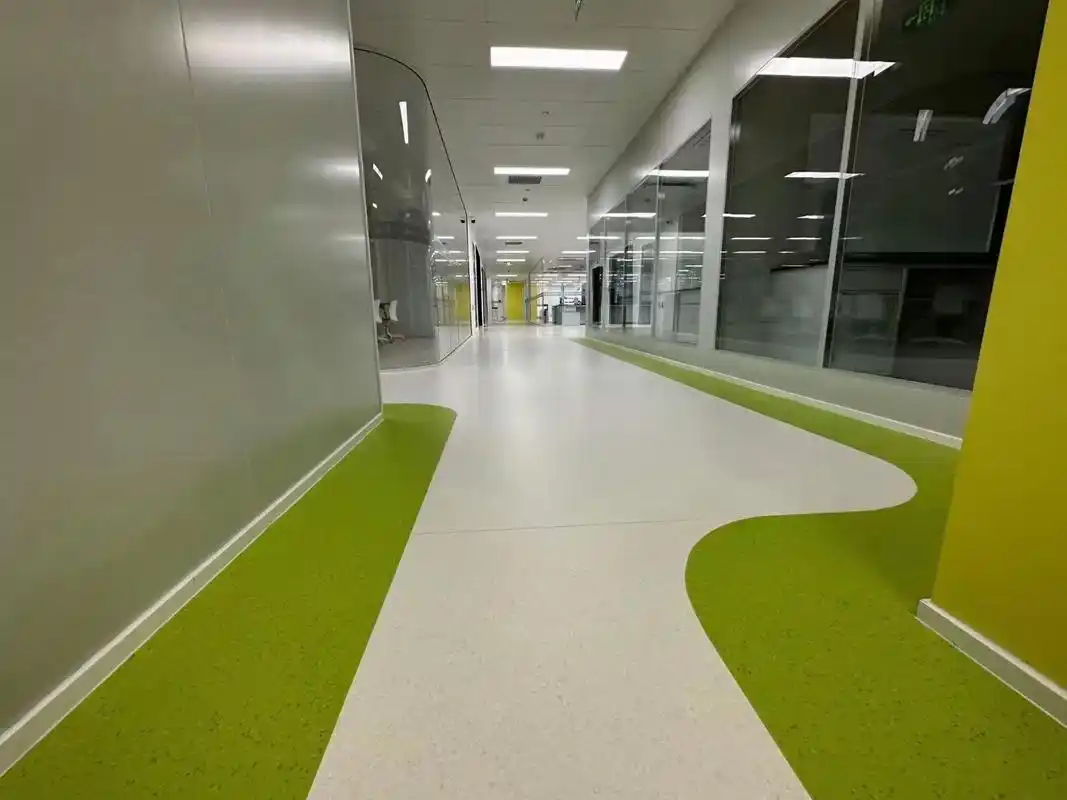
The selection of flooring materials is crucial in the decoration and construction industries. The most common flooring materials on the market now are Homogeneous PVC flooring and composite plastic flooring, each with its own advantages and applicable scenarios. So how should we choose the better option between these two?
Firstly, we need to know the material of homogeneous vinyl flooring. Homogeneous PVC flooring is a type of plastic flooring made from a single material, with the same material on both the surface and bottom, and uniform colors and different textures. The advantage of this type of flooring lies in its easy to clean, wear-resistant, anti slip and other characteristics, which can make it widely used in different scenarios, such as commercial places, schools, hospitals and other public places. In addition, homogeneous vinyl flooring also has the characteristics of non-toxic, non radiative, and environmentally friendly, which is in line with modern people's demand for environmentally friendly and healthy building materials.
Furthermore, regarding composite plastic flooring. Composite plastic flooring is composed of multiple layers of materials, generally including its wear-resistant layer, decorative layer, stabilizing layer, and bottom layer. This type of flooring has a rich selection of colors and textures, which can meet the needs of different decoration styles. At the same time, composite plastic flooring also has good compressive and wear-resistant properties, making it suitable for indoor spaces such as offices. However, the installation and subsequent maintenance of composite plastic flooring may be relatively complex, and attention should be paid to avoiding issues such as scratches, dents, and bubbles.
When comparing two types of flooring, we need to consider the following key factors:
1. Maintenance and cleaning: The surface of homogeneous transparent plastic flooring is smooth and easy to clean; Composite plastic flooring is a multi-layer structure that may require more detailed and complex maintenance to prevent blistering and scratches.
2. Environmental performance: Both types of plastic flooring perform very well in terms of environmental health, but the specific environmental performance of the product still needs to be judged in detail based on the testing report provided by the manufacturer.
3. Application: Homogeneous flooring is more suitable for public places such as hospitals, shopping malls, etc. Due to its superior anti slip and wear resistance, it can be applied to more places; However, composite plastic flooring is more suitable for indoor spaces such as offices, as its diverse colors and strong decorative appeal make it suitable for these scenarios.
In short, homogeneous flooring and composite plastic flooring each have their own advantages and disadvantages, and the choice of flooring depends on the specific usage location, maintenance and cleaning needs, and environmental requirements. When making a choice, it is recommended that buyers consider their actual situation, fully understand the product performance, brand reputation, and installation and maintenance costs, in order to make a more suitable decision for themselves.

Installation for Homogeneous Flooring
The Unique Characteristics of Anti-static Flooring
Related Article
