
Anti-Static Flooring: Installation Process and Applications
2025-03-14
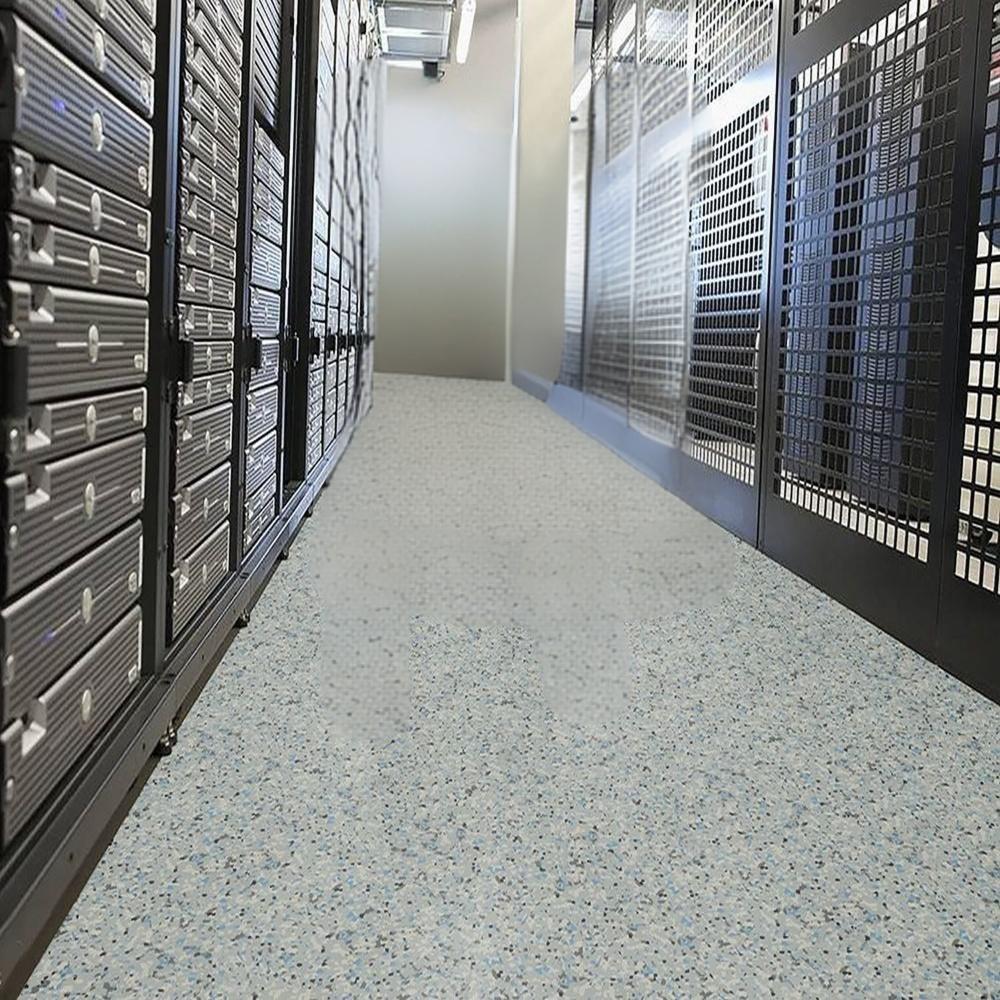
Anti-static flooring, also known as electrostatic discharge (ESD) flooring, is a specialized type of flooring designed to prevent the buildup of static electricity. This type of flooring is crucial in environments where static electricity can cause damage to sensitive electronic equipment, interfere with manufacturing processes, or even pose safety risks. In this article, we will explore the fundamentals of anti-static flooring, its installation process, and its various applications.
## What is Anti-Static Flooring?
Antistatic flooring is engineered to control static electricity by providing a path for electrical charges to dissipate safely. It is typically made from materials that have conductive or dissipative properties, such as vinyl, rubber, or epoxy. These materials are often embedded with conductive elements like carbon or copper to enhance their ability to ground static charges.
There are two main types of anti-static flooring: conductive and dissipative. Conductive flooring has a lower electrical resistance, allowing it to quickly ground static charges. Dissipative flooring, on the other hand, has a higher resistance, which slows down the discharge process, making it safer for certain environments.

## Installation Process of Anti-Static Flooring
The installation of anti-static flooring is a meticulous process that requires careful planning and execution. Here are the key steps involved:
1. **Site Preparation**: Before installation, the site must be thoroughly cleaned and leveled. Any existing flooring should be removed, and the subfloor should be inspected for moisture and structural integrity. Any imperfections in the subfloor can affect the performance of the anti-static flooring.
2. **Grounding System Installation**: A proper grounding system is essential for the effectiveness of anti-static flooring. This involves installing copper strips or grounding points that will be connected to the flooring. These strips are typically laid out in a grid pattern and connected to a common ground point.
3. **Adhesive Application**: A conductive adhesive is applied to the subfloor. This adhesive not only secures the flooring but also ensures a continuous conductive path between the flooring and the grounding system.
4. **Flooring Installation**: The anti-static flooring tiles or sheets are then laid out according to the manufacturer's guidelines. Care must be taken to ensure that the tiles are properly aligned and that there are no gaps between them. The tiles are pressed firmly into the adhesive to ensure good contact.
5. **Seaming and Finishing**: If the flooring is installed in sheets, the seams between the sheets are sealed with a conductive tape or adhesive to maintain the continuity of the conductive path. Once the flooring is installed, it is often coated with a protective finish to enhance durability and ease of maintenance.
6. **Testing and Certification**: After installation, the flooring should be tested to ensure that it meets the required electrical resistance standards. This is typically done using a surface resistance tester. Once the flooring passes the tests, it is certified as compliant with industry standards.
## Applications of Anti-Static Flooring
Anti-static flooring is used in a variety of environments where static electricity control is critical. Some of the most common applications include:
1. **Electronics Manufacturing**: In facilities where electronic components are manufactured, even a small static discharge can damage sensitive components. Anti-static flooring helps to prevent such damage by providing a safe path for static charges to dissipate.
2. **Data Centers**: Data centers house a large number of servers and other electronic equipment. Static electricity can cause data corruption or hardware failure. Anti-static flooring is essential in these environments to protect the equipment and ensure uninterrupted operation.
3. **Healthcare Facilities**: In hospitals and laboratories, static electricity can interfere with medical equipment and pose a risk to patients. Anti-static flooring is used in operating rooms, laboratories, and other critical areas to minimize these risks.
4. **Telecommunications**: Telecommunication facilities, including server rooms and switching centers, rely on sensitive electronic equipment. Anti-static flooring helps to protect this equipment from static discharge, ensuring reliable communication services.
5. **Explosive and Hazardous Environments**: In environments where flammable gases, vapors, or dust are present, static electricity can ignite explosions. Anti-static flooring is used in such environments to prevent static buildup and reduce the risk of explosions.
6. **Cleanrooms**: Cleanrooms, used in industries such as pharmaceuticals and semiconductor manufacturing, require strict control of contaminants, including static electricity. Anti-static flooring is an integral part of cleanroom design, helping to maintain the required environmental conditions.
## Conclusion
Anti-static flooring plays a vital role in protecting sensitive equipment and ensuring safety in various industries. Its ability to control static electricity makes it indispensable in environments where even a small static discharge can have significant consequences. The installation of anti-static flooring is a complex process that requires careful planning and execution to ensure its effectiveness. From electronics manufacturing to healthcare facilities, the applications of anti-static flooring are diverse and critical to the smooth operation of many industries. As technology continues to advance, the importance of anti-static flooring is likely to grow, making it an essential component of modern infrastructure.
8 Actionable Tips for Repairing PVC Flooring
The Right Choice for Your Healthcare Project
Related Article

PVC flooring has become a popular flooring choice for homes, hospitals, schools, offices, and other commercial spaces due to its durability, water resistance, and easy maintenance. However, proper cleaning is essential to maintain its appearance and extend its service life.
How to Clean PVC Flooring: A Complete Guide to Daily Cleaning and Maintenance
Homogeneous flooring, homogeneous vinyl flooring, through-body homogeneous flooring, anti-bacterial homogeneous flooring, chemical resistant homogeneous flooring, medical grade flooring, seamless hygienic flooring, high traffic institutional flooring
Through-Body Homogeneous Flooring – Anti-Bacterial Chemical Resistant Homogeneous Vinyl Flooring for Medical, Laboratory and High-Traffic Institutional Spaces
Homogeneous flooring, homogeneous vinyl flooring, through-body homogeneous flooring, anti-bacterial homogeneous flooring, chemical resistant flooring, medical grade homogeneous flooring, high traffic institutional flooring, seamless hygienic flooring
Through-Body Homogeneous Flooring – Anti-Bacterial Chemical Resistant Homogeneous Vinyl Flooring for Medical, Laboratory and High-Traffic Institutional Spaces
Homogeneous flooring, homogeneous vinyl flooring, through-body homogeneous flooring, anti-bacterial homogeneous flooring, stain resistant homogeneous flooring, hospital flooring, laboratory flooring, high traffic public flooring
Full Through-Body Homogeneous Flooring – Anti-Bacterial Stain Resistant Homogeneous Vinyl Flooring for Hospital, Laboratory and High-Traffic Public Areas