
How to Control the Quality of PVC Homogeneous Flooring
2025-03-19
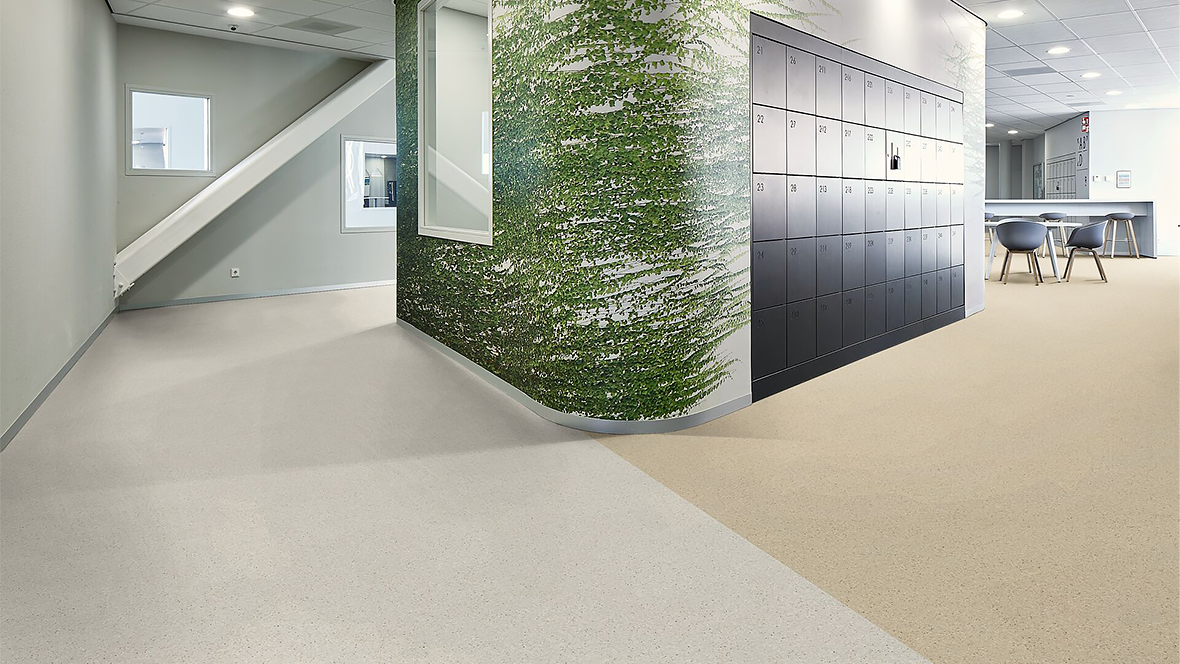
Producing high-quality homogeneous PVC Vinyl flooring requires meticulous attention to raw materials, manufacturing processes, quality control, and post-production practices. Below are actionable recommendations to ensure consistent product excellence and meet industry standards.
1. Raw Material Selection and Quality Assurance
The foundation of superior PVC homogeneous flooring lies in premium raw materials.
The foundation of superior PVC homogeneous flooring lies in premium raw materials.
(1).Source Certified PVC Resins:
Use high-purity PVC resins from reputable suppliers. Ensure resins meet international standards (e.g., ISO 9001) and have low volatile organic compound (VOC) content. Avoid substandard resins, which can compromise durability and safety.
Use high-purity PVC resins from reputable suppliers. Ensure resins meet international standards (e.g., ISO 9001) and have low volatile organic compound (VOC) content. Avoid substandard resins, which can compromise durability and safety.
(2).Quality Additives:
Stabilizers, plasticizers, and fillers must be carefully selected. For example, use phthalate-free plasticizers to ensure eco-friendliness and compliance with regulations like REACH or FloorScore.
Stabilizers, plasticizers, and fillers must be carefully selected. For example, use phthalate-free plasticizers to ensure eco-friendliness and compliance with regulations like REACH or FloorScore.
(3).Pigment Consistency:
Use inorganic, UV-stable pigments to prevent color fading. Test pigments for uniformity and compatibility with other components.
Use inorganic, UV-stable pigments to prevent color fading. Test pigments for uniformity and compatibility with other components.
(4).Pre-Production Testing:
Conduct batch testing of raw materials for properties such as viscosity, thermal stability, and chemical resistance. Reject batches that fail to meet specifications.
Conduct batch testing of raw materials for properties such as viscosity, thermal stability, and chemical resistance. Reject batches that fail to meet specifications.
2. Precision in Formula Design
A well-balanced formula ensures homogeneity, wear resistance, and structural integrity.
A well-balanced formula ensures homogeneity, wear resistance, and structural integrity.
(1).Uniform Distribution of Components:
Ensure even dispersion of PVC resin, plasticizers, calcium carbonate, and additives during mixing. Inhomogeneity can lead to weak spots or surface defects.
Ensure even dispersion of PVC resin, plasticizers, calcium carbonate, and additives during mixing. Inhomogeneity can lead to weak spots or surface defects.
(2).Optimized Plasticizer Ratio:
Adjust plasticizer content to balance flexibility and rigidity. Excessive plasticizers cause softening, while insufficient amounts lead to brittleness.
Adjust plasticizer content to balance flexibility and rigidity. Excessive plasticizers cause softening, while insufficient amounts lead to brittleness.
(3).Layered Structure Design:
For multi-layer homogeneous flooring, ensure seamless bonding between layers. Use compatible materials to prevent delamination.
For multi-layer homogeneous flooring, ensure seamless bonding between layers. Use compatible materials to prevent delamination.
3. Advanced Manufacturing Process Control
Consistency in production processes is critical for quality.
Consistency in production processes is critical for quality.
(1).Mixing and Compounding:
Use high-speed mixers with temperature control to achieve a homogeneous compound. Monitor mixing time to prevent overheating or incomplete blending.
Use high-speed mixers with temperature control to achieve a homogeneous compound. Monitor mixing time to prevent overheating or incomplete blending.
(2).Calendering/Extrusion:
Maintain precise temperature and pressure during sheet formation. For calendering, ensure uniform thickness across the entire sheet. For extrusion, monitor screw speed and melt flow to avoid air pockets.
Maintain precise temperature and pressure during sheet formation. For calendering, ensure uniform thickness across the entire sheet. For extrusion, monitor screw speed and melt flow to avoid air pockets.
(3).Embossing and Surface Treatment:
Implement laser-guided embossing for consistent texture replication. Apply UV coatings or PU layers evenly to enhance scratch resistance and gloss retention.
Implement laser-guided embossing for consistent texture replication. Apply UV coatings or PU layers evenly to enhance scratch resistance and gloss retention.
(4).Cooling and Stabilization:
Gradually cool sheets to room temperature to prevent warping or internal stress. Use cooling tunnels with controlled airflow.
Gradually cool sheets to room temperature to prevent warping or internal stress. Use cooling tunnels with controlled airflow.

4. Rigorous Quality Control Protocols
Implement multi-stage inspections to catch defects early.
Implement multi-stage inspections to catch defects early.
(1).In-Line Monitoring:
Use sensors to measure thickness, density, and color uniformity in real time. Automated systems can flag deviations and halt production if needed.
Use sensors to measure thickness, density, and color uniformity in real time. Automated systems can flag deviations and halt production if needed.
(2).Physical Performance Testing:
Regularly test samples for:
Abrasion Resistance (EN 660-2, ≥ 20,000 cycles for commercial grades).
Indentation Resistance (ISO 24343-1).
Slip Resistance (DIN 51130 R9–R13).
Fire Rating (Class Bfl-s1 per EN 13501-1).
Regularly test samples for:
Abrasion Resistance (EN 660-2, ≥ 20,000 cycles for commercial grades).
Indentation Resistance (ISO 24343-1).
Slip Resistance (DIN 51130 R9–R13).
Fire Rating (Class Bfl-s1 per EN 13501-1).
(3).Aging and Environmental Tests:
Simulate long-term wear using QUV accelerated weathering testers. Check for color stability, dimensional changes, and mechanical degradation under heat/humidity.
Simulate long-term wear using QUV accelerated weathering testers. Check for color stability, dimensional changes, and mechanical degradation under heat/humidity.
5. Employee Training and Skill Development
Well-trained personnel are vital for maintaining quality.
Well-trained personnel are vital for maintaining quality.
(1).Process-Specific Training:
Train operators on equipment handling, troubleshooting, and safety protocols. Emphasize the impact of human error on product outcomes.
Train operators on equipment handling, troubleshooting, and safety protocols. Emphasize the impact of human error on product outcomes.
(2).Quality Awareness Programs:
Educate staff on defect identification (e.g., bubbles, uneven textures) and the importance of adhering to SOPs.
Educate staff on defect identification (e.g., bubbles, uneven textures) and the importance of adhering to SOPs.
(3).Cross-Department Collaboration:
Encourage communication between R&D, production, and QC teams to address issues proactively.
Encourage communication between R&D, production, and QC teams to address issues proactively.
6. Equipment Maintenance and Upgrades
Modern machinery enhances precision and efficiency.
Modern machinery enhances precision and efficiency.
(1).Preventive Maintenance:
Regularly calibrate mixers, extruders, and embossing rollers. Replace worn parts (e.g., die plates, cutting blades) to avoid inconsistencies.
Regularly calibrate mixers, extruders, and embossing rollers. Replace worn parts (e.g., die plates, cutting blades) to avoid inconsistencies.
(2).Invest in Automation:
Adopt AI-driven systems for real-time process adjustments. For example, automated thickness gauges can fine-tune roller gaps during calendering.
Adopt AI-driven systems for real-time process adjustments. For example, automated thickness gauges can fine-tune roller gaps during calendering.
(3).Advanced Testing Tools:
Use X-ray scanners to detect internal voids and laser profilometers to assess surface smoothness.
Use X-ray scanners to detect internal voids and laser profilometers to assess surface smoothness.
7. Sustainable Practices and Compliance
Align production with environmental and safety standards.
Align production with environmental and safety standards.
(1).Eco-Friendly Formulations:
Reduce carbon footprint by incorporating recycled PVC or bio-based plasticizers. Certify products via Cradle to Cradle or EPEAT.
Reduce carbon footprint by incorporating recycled PVC or bio-based plasticizers. Certify products via Cradle to Cradle or EPEAT.
(2).Waste Management:
Recycle production scraps into new batches. Install filters to capture VOC emissions.
Recycle production scraps into new batches. Install filters to capture VOC emissions.
(3).Regulatory Compliance:
Stay updated on global regulations (e.g., CPSC in the U.S., GB/T in China) and third-party certifications (e.g., ISO 14001).
Stay updated on global regulations (e.g., CPSC in the U.S., GB/T in China) and third-party certifications (e.g., ISO 14001).
8. Post-Production Handling and Storage
Protect finished products from damage.
Protect finished products from damage.
(1).Proper Packaging:
Wrap flooring in anti-static film to prevent scratches. Use reinforced pallets to avoid bending during transit.
Wrap flooring in anti-static film to prevent scratches. Use reinforced pallets to avoid bending during transit.
(2).Controlled Storage Conditions**:
Store in a dry, temperature-controlled (15–25°C) warehouse. Avoid direct sunlight to prevent thermal expansion.
Store in a dry, temperature-controlled (15–25°C) warehouse. Avoid direct sunlight to prevent thermal expansion.
9. Customer Feedback and Continuous Improvement
Leverage client insights to refine processes.
Leverage client insights to refine processes.
(1).Post-Installation Surveys:
Collect feedback on ease of installation, wear patterns, and aesthetics.
Collect feedback on ease of installation, wear patterns, and aesthetics.
(2).Root Cause Analysis:
Investigate complaints (e.g., edge lifting, discoloration) to identify production flaws. Update protocols accordingly.
Investigate complaints (e.g., edge lifting, discoloration) to identify production flaws. Update protocols accordingly.
By integrating these strategies, your factory can produce PVC homogeneous flooring that excels in durability, safety, and aesthetics, positioning your brand as a leader in the competitive flooring market.
Applications and Installation Essentials of Antistatic Flooring
8 Actionable Tips for Repairing PVC Flooring
Related Article

PVC flooring has become a popular flooring choice for homes, hospitals, schools, offices, and other commercial spaces due to its durability, water resistance, and easy maintenance. However, proper cleaning is essential to maintain its appearance and extend its service life.
How to Clean PVC Flooring: A Complete Guide to Daily Cleaning and Maintenance
Homogeneous flooring, homogeneous vinyl flooring, through-body homogeneous flooring, anti-bacterial homogeneous flooring, chemical resistant homogeneous flooring, medical grade flooring, seamless hygienic flooring, high traffic institutional flooring
Through-Body Homogeneous Flooring – Anti-Bacterial Chemical Resistant Homogeneous Vinyl Flooring for Medical, Laboratory and High-Traffic Institutional Spaces
Homogeneous flooring, homogeneous vinyl flooring, through-body homogeneous flooring, anti-bacterial homogeneous flooring, chemical resistant flooring, medical grade homogeneous flooring, high traffic institutional flooring, seamless hygienic flooring
Through-Body Homogeneous Flooring – Anti-Bacterial Chemical Resistant Homogeneous Vinyl Flooring for Medical, Laboratory and High-Traffic Institutional Spaces
Homogeneous flooring, homogeneous vinyl flooring, through-body homogeneous flooring, anti-bacterial homogeneous flooring, stain resistant homogeneous flooring, hospital flooring, laboratory flooring, high traffic public flooring
Full Through-Body Homogeneous Flooring – Anti-Bacterial Stain Resistant Homogeneous Vinyl Flooring for Hospital, Laboratory and High-Traffic Public Areas