
How To Install Homogeneous Vinyl PVC Flooring
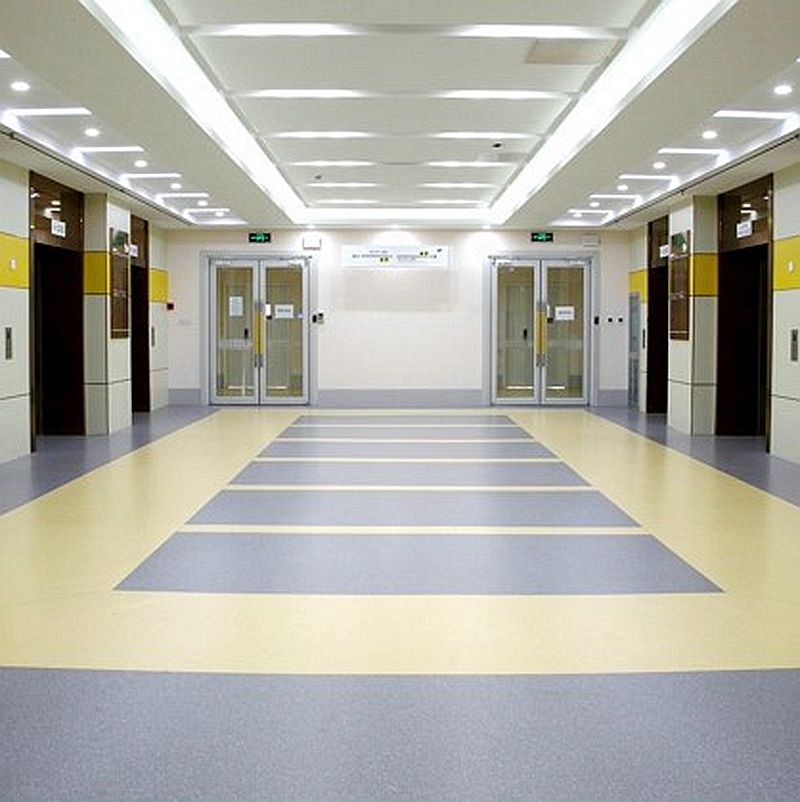
Features of Homogeneous Vinyl Flooring
Homogeneous Vinyl PVC flooring is a type of PVC flooring made of pure PVC material, with a homogeneous structure from the surface to the bottom, without layering. Its main features include:
- Green and environmentally friendly: non-toxic and harmless, without radioactive pollution, belonging to green and environmentally friendly products, resources can be recycled and reused.
- Wear resistant and durable: The entire body is made of the same pattern and material, with strong wear resistance, suitable for public places with high foot traffic, such as supermarkets, hospitals, etc.
- Anti slip safety: The surface has undergone anti slip treatment, and the elastic material has strong anti slip properties, making it astringent when in contact with water and suitable for use by the elderly and children.
- Easy to maintain: The surface has undergone special treatment, making it less prone to dirt and easy to clean. Even if stains appear, simply wipe them with a damp cloth to restore cleanliness.
- Easy installation: Adopting a suspended installation method, no glue is required, making installation simple and fast, while reducing pollution problems during the installation process.
- Multiple colors: Colorful and natural, lifelike, can be freely combined into various colors and shapes to meet personalized needs.
- Superior performance: It has the characteristics of moisture and mold resistance, sound absorption and noise reduction, comfortable walking, strong scratch resistance, as well as good chemical resistance, corrosion resistance, acid and alkali resistance, insulation, flame retardancy and other properties.
- Homogeneous Vinyl flooring is suitable for various indoor places, such as schools, hospitals, offices, shopping malls, sports venues, etc., especially for places that require high anti slip, wear-resistant, and environmentally friendly performance, such as kindergartens, nursing homes, etc.

About Installation
1. Subfloor Preparation
The foundation of a successful PVC flooring installation starts with a clean, dry, and level subfloor.
- Cleaning: Remove all debris, dust, old adhesive, or coatings using a scraper or grinder. Vacuum thoroughly to ensure no particles remain.
- Repairing Imperfections: Fill cracks, holes, or uneven surfaces with a high-quality floor leveling compound. Allow it to dry completely (typically 24–48 hours) before proceeding.
- Moisture Testing: Use a moisture meter to confirm the subfloor’s moisture content is below 3% for concrete or 6% for wood. Excessive moisture can cause adhesive failure and flooring warping.
- Priming: Apply a compatible primer to enhance adhesive bonding. Let it cure according to the manufacturer’s instructions.
2. Tools and Materials Checklist
Gather the following before starting:
- Homogenous PVC floor tiles/sheets
- High-quality, solvent-based adhesive (check compatibility)
- Notched trowel (size depends on tile thickness)
- Straightedge, tape measure, and chalk line
- Utility knife or floor cutter
- Roller (100–150 kg) for seamless pressing
- Protective gear (gloves, goggles, mask)
3. Layout Planning
A precise layout ensures symmetry and minimizes cutting errors.
- Measure the Room: Calculate the area to determine the number of tiles/sheets needed (add 5–10% for waste).
- Find the Center: Use a chalk line to mark the center of the room. This helps align tiles evenly.
- Dry Fit: Lay tiles without adhesive to visualize the pattern. Adjust as needed to avoid small cuts at walls.
4. Adhesive Application
Proper adhesive spreading is key to preventing bubbles and ensuring full contact.
- Mixing Adhesive: Stir the adhesive thoroughly to achieve a consistent texture. Avoid over-thinning unless specified.
- Troweling: Use a notched trowel to spread adhesive in sections, working from the center outward. The trowel’s notch size (e.g., 3mm x 3mm) should match the tile thickness.
- Open Time: Follow the adhesive’s open time (usually 15–30 minutes) before placing tiles. This allows the adhesive to tackify.
5. Tile Placement
Handle tiles carefully to avoid creasing or damage.
- Aligning Tiles: Starting from the center, place tiles along the chalk lines. Gently press them into the adhesive, ensuring alignment with adjacent tiles.
- Cutting Tiles: Measure and mark tiles for edges or corners. Use a utility knife or floor cutter for precise cuts. Test-fit before adhering.
- Seamless Joints: For sheet flooring, overlap edges slightly and use a roller to create a seamless bond. For tiles, ensure minimal gaps (≤1mm) to prevent dirt accumulation.
6. Rolling and Pressing
A heavy roller ensures uniform adhesion and eliminates air pockets.
- Initial Rolling: After placement, roll the entire area with a 100–150 kg roller in a crisscross pattern. Apply even pressure.
- Edge Rolling: Use a smaller roller or hand roller for edges and corners where the main roller cannot reach.
7. Cleaning and Finishing
Remove excess adhesive and prepare the floor for use.
- Wipe Away Adhesive: Use a damp cloth or manufacturer-recommended solvent to clean up wet adhesive immediately.
- Final Inspection: Check for uneven areas, gaps, or lifted tiles. Make adjustments while the adhesive is still wet.
- Curing Time: Allow the adhesive to cure fully (typically 24–48 hours) before foot traffic or furniture placement.
8. Maintenance Tips
To prolong the flooring’s lifespan:
- Regular Cleaning: Sweep or vacuum daily to remove grit. Mop with a PH-neutral cleaner weekly.
- Avoid Harsh Chemicals: Never use acidic or abrasive cleaners.
- Protect from Heavy Impact: Place mats in high-traffic areas and use furniture pads to prevent scratches.
Conclusion
Installing homogenous PVC flooring requires attention to detail and adherence to proper techniques. By preparing the subfloor meticulously, following precise layout and adhesive application methods, and ensuring thorough rolling, you can achieve a seamless, long-lasting floor that combines functionality and style. Always consult the manufacturer’s guidelines for specific product requirements.

PVC Flooring VS Epoxy Flooring
Why Semiconductor Laboratories Must Implement Antistatic Flooring
Related Article
