How to pick Vinyl Plank Flooring & How to Save Cost on Installation?
2025-05-24
In the world of home improvement, flooring plays a crucial role in enhancing the aesthetic appeal and functionality of any space. Vinyl plank flooring has emerged as a popular choice among homeowners due to its durability, versatility, and affordability. If you're on a budget but still want to upgrade your floors, there are several cheap vinyl plank flooring options available, along with effective strategies to cut costs on installation. This article will explore these options and cost - saving techniques in detail.
Types of Cheap Vinyl Plank Flooring
1. Budget - Friendly Sheet Vinyl Planks
Dark vinyl flooring are an excellent option for those looking to save money. They come in large rolls, which can cover a significant amount of floor area at a relatively low cost per square foot. Sheet vinyl is also highly resistant to water, making it suitable for areas prone to moisture such as bathrooms, kitchens, and laundry rooms. One of the advantages of sheet vinyl planks is that they can mimic the appearance of more expensive materials like hardwood or stone. However, it's important to note that sheet vinyl may be more challenging to install compared to other types, especially for DIY enthusiasts. Professional installation might be required to ensure a smooth and seamless finish, but even with installation costs factored in, it can still be a budget - friendly choice overall.
2. Peel - and - Stick Vinyl Planks
Peel - and - stick vinyl planks are a popular choice for those seeking an affordable and easy - to - install flooring option. As the name suggests, these planks come with an adhesive backing. All you need to do is peel off the protective backing and stick the planks directly onto a clean, flat surface. This DIY - friendly installation method eliminates the need for expensive installation tools and professional labor, significantly reducing the overall cost. Peel - and - stick vinyl planks are available in a wide variety of colors, patterns, and textures, allowing you to customize your floor to match your decor. While they may not be as durable as some other vinyl plank options, they can still provide a decent lifespan and a fresh look for your home, especially in low - traffic areas.
3. Luxury Vinyl Planks on a Budget
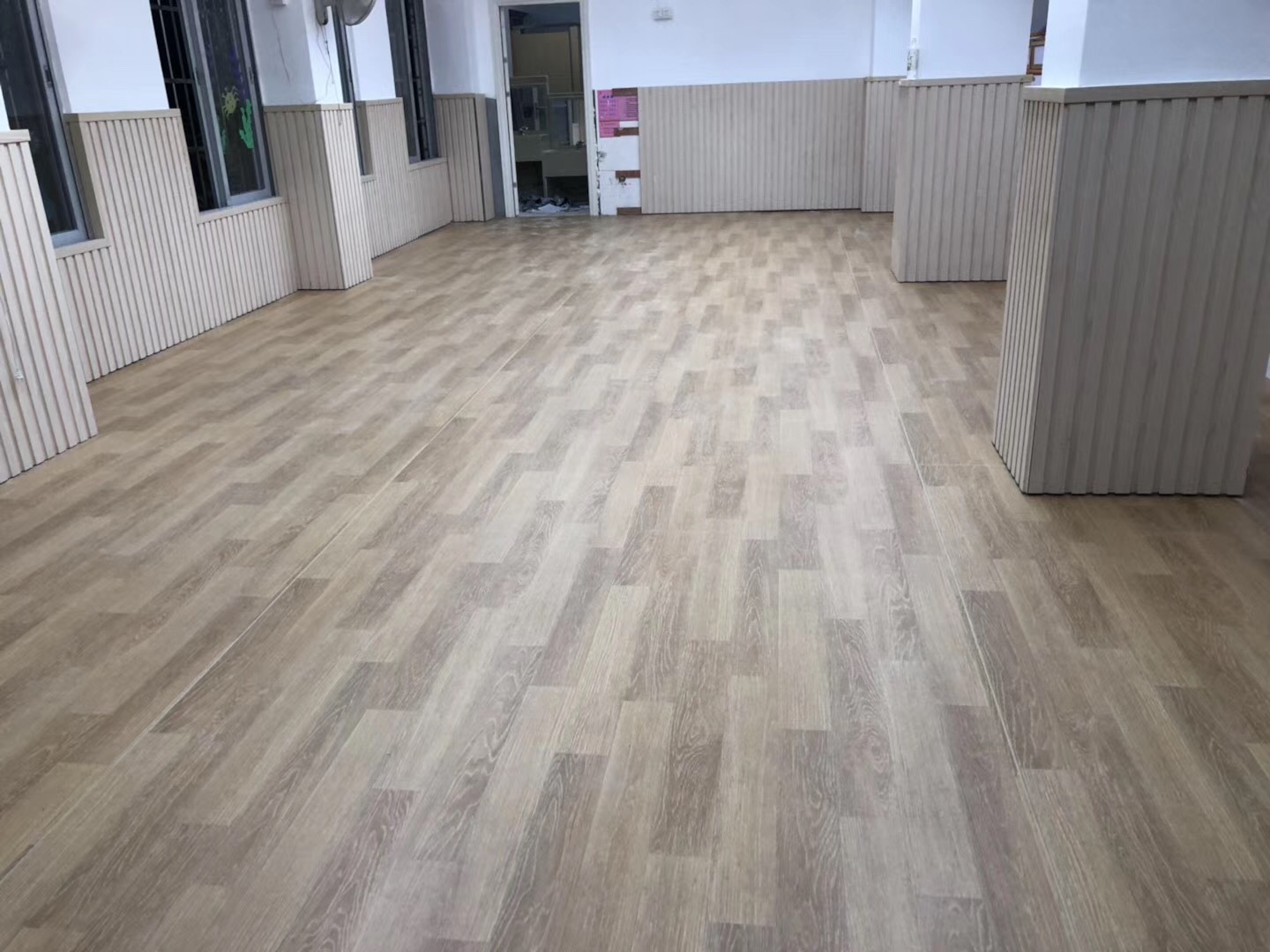
Although the term "luxury" might suggest a high price tag, there are many affordable luxury vinyl plank (LVP) options on the market. Luxury vinyl planks are designed to closely replicate the look and feel of natural materials such as hardwood, tile, or stone. They offer enhanced durability, with better resistance to scratches, dents, and stains compared to basic vinyl planks. Some budget - friendly LVP options are made from recycled materials, which not only helps reduce costs but also makes them an environmentally friendly choice. Look for LVPs that are on sale, clearance items, or from lesser - known brands that still offer good quality. These can provide the look and performance of high - end flooring at a fraction of the cost.
Strategies to Cut Costs on Vinyl Plank Flooring Installation
1. DIY Installation
One of the most effective ways to save money on vinyl plank flooring installation is to do it yourself. As mentioned earlier, peel - and - stick vinyl planks are particularly suitable for DIY projects. However, even for other types of vinyl planks, with the right tools and some research, homeowners can successfully install their floors. There are numerous online tutorials, videos, and guides available that provide step - by - step instructions on how to install vinyl plank flooring. Before starting, make sure to measure your floor accurately to determine the amount of material you need. Invest in basic installation tools such as a utility knife, measuring tape, straight edge, and a tapping block. By taking on the installation yourself, you can avoid paying for professional labor, which can account for a significant portion of the total cost.
2. Shop Around for Materials
Don't settle for the first store you visit when purchasing vinyl plank flooring. Take the time to shop around at different home improvement stores, flooring outlets, and online retailers. Compare prices, quality, and available styles. Online retailers often offer competitive prices and may have exclusive deals or discounts. You can also sign up for newsletters from your favorite stores to be notified of upcoming sales, promotions, and clearance events. Additionally, consider buying in bulk if you have a large area to cover. Many suppliers offer volume discounts, which can further reduce the cost per square foot of the flooring material.
3. Prepare the Subfloor Yourself
Proper subfloor preparation is essential for a successful vinyl plank flooring installation. Instead of hiring someone to prepare the subfloor, you can do it yourself. Start by removing any existing flooring, such as carpet or old tiles. Make sure the subfloor is clean, dry, and free of any debris, bumps, or cracks. Fill in any cracks or holes with a suitable filler and sand down any uneven areas to create a smooth surface. If the subfloor is not level, you may need to use a self - leveling compound. By taking care of the subfloor preparation on your own, you can save money that would otherwise be spent on professional subfloor preparation services.
4. Reuse or Recycle Existing Materials
If you're replacing old vinyl plank flooring, consider reusing or recycling the existing materials if they are still in good condition. You can remove the old planks carefully and use them in other areas of your home, such as a basement, shed, or a less - frequently used room. Alternatively, there are recycling centers that accept vinyl flooring materials. Recycling not only helps reduce waste but can also give you a sense of contributing to environmental sustainability. Some recycling centers may even offer small incentives or rewards for recycling large amounts of vinyl flooring.
5. Opt for Simple Patterns and Designs
When choosing the style of your vinyl plank flooring, more complex patterns and designs often come with a higher price tag. Simple, solid - colored or single - pattern vinyl planks are generally more affordable. Additionally, installing the planks in a straightforward pattern, such as a straight lay or a simple offset pattern, is easier and requires less time and skill compared to intricate patterns like herringbone or chevron. By keeping the design simple, you can reduce both the cost of the flooring material and the installation time, ultimately saving money on your vinyl plank flooring project.
6. Hire a Local Handyman or Apprentice
If you're not confident in your DIY skills but still want to save on installation costs, consider hiring a local handyman or an apprentice. Handymen often charge lower rates than professional flooring installers, and they may still have the necessary skills and experience to install vinyl plank flooring properly. Apprentices, who are in the process of learning the trade, can also be a cost - effective option. They are supervised by more experienced professionals, ensuring that the installation is done correctly while allowing you to take advantage of lower labor costs. Just make sure to check their references and ask for examples of their previous work to ensure quality.
In conclusion, there are plenty of cheap dark vinyl flooring options available to suit different budgets and preferences. By exploring these options and implementing the cost - saving strategies for installation discussed in this article, you can achieve a beautiful and durable vinyl plank floor without breaking the bank. Whether you choose peel - and - stick planks for a quick and easy DIY project or opt for budget - friendly luxury vinyl planks installed by a local handyman, you can transform your home's floors while keeping your finances in check.
Is Heterogeneous Flooring Suitable for Hospitals?
How to Choose the Right Polyvinyl Chloride (PVC) Flooring
Related Article

PVC flooring has become a popular flooring choice for homes, hospitals, schools, offices, and other commercial spaces due to its durability, water resistance, and easy maintenance. However, proper cleaning is essential to maintain its appearance and extend its service life.
How to Clean PVC Flooring: A Complete Guide to Daily Cleaning and Maintenance
Homogeneous flooring, homogeneous vinyl flooring, through-body homogeneous flooring, anti-bacterial homogeneous flooring, chemical resistant homogeneous flooring, medical grade flooring, seamless hygienic flooring, high traffic institutional flooring
Through-Body Homogeneous Flooring – Anti-Bacterial Chemical Resistant Homogeneous Vinyl Flooring for Medical, Laboratory and High-Traffic Institutional Spaces
Homogeneous flooring, homogeneous vinyl flooring, through-body homogeneous flooring, anti-bacterial homogeneous flooring, chemical resistant flooring, medical grade homogeneous flooring, high traffic institutional flooring, seamless hygienic flooring
Through-Body Homogeneous Flooring – Anti-Bacterial Chemical Resistant Homogeneous Vinyl Flooring for Medical, Laboratory and High-Traffic Institutional Spaces
Homogeneous flooring, homogeneous vinyl flooring, through-body homogeneous flooring, anti-bacterial homogeneous flooring, stain resistant homogeneous flooring, hospital flooring, laboratory flooring, high traffic public flooring
Full Through-Body Homogeneous Flooring – Anti-Bacterial Stain Resistant Homogeneous Vinyl Flooring for Hospital, Laboratory and High-Traffic Public Areas